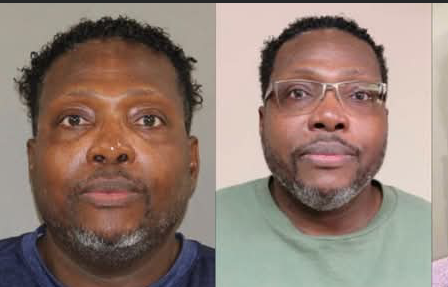
LITTLE ELM, Texas — Morris Dwayne Turner has become a subject of public discussion after claiming that he viewed video footage connected to the highly publicized Karmelo Anthony case and subsequently shared his interpretation of what he said the recording showed. Turner alleged that the footage captured an altercation involving Karmelo Anthony and several students before the fatal stabbing of Austin Metcalf on April 2, 2025. His account quickly circulated online, drawing attention from supporters and critics alike.
According to statements attributed to Turner, he claimed the video showed multiple individuals involved in a confrontation and suggested that Anthony had attempted to leave the scene before tensions escalated. However, his description has been questioned by individuals following the case, who argue that his version of events does not align with information that has been discussed publicly through court proceedings, witness testimony, and other reported evidence.
The controversy intensified after online commentators identified Turner as a registered sex offender in Texas. Publicly available records indicate that Turner was previously convicted in a case involving a minor and remains subject to registration requirements under Texas law. These revelations led to increased scrutiny of his public statements and his involvement in discussions surrounding the Anthony case.
Beyond questions about Turner’s credibility, the situation has sparked a broader conversation about access to school-related records and video footage. Some community advocates and lawmakers have raised concerns about whether existing public records laws provide sufficient safeguards when requested materials involve schools, minors, or sensitive investigations.
Others argue that transparency remains an important principle and note that authorities have not suggested any laws were violated if the footage was obtained through approved public records procedures. As debate continues, the discussion has expanded beyond a single individual’s claims to include larger questions about privacy, public access, and the balance between openness and protection of student-related information.
Leave a Reply